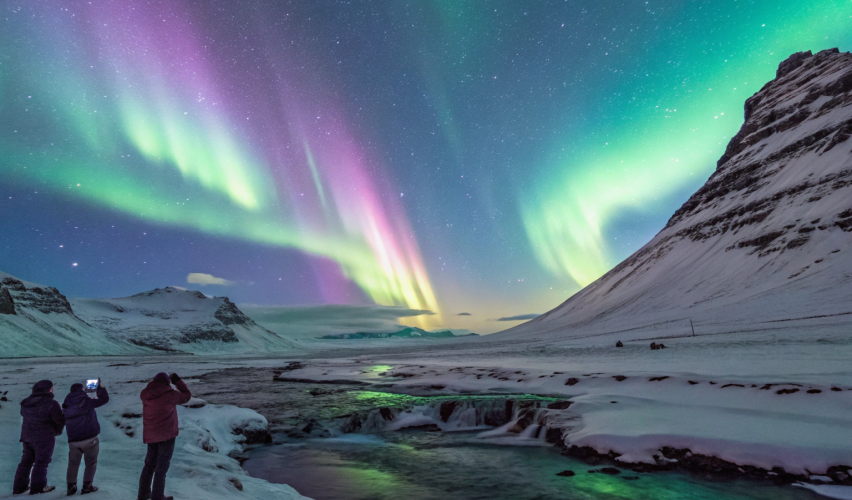
Ever find yourself scrolling through impossibly beautiful photos of shimmering green lights dancing over snow-covered landscapes and thinking, “Can that even be real?” I’m here to tell you it is, and you can see it for yourself. The place? Iceland. The time? February.
Now, I know what you might be thinking. February? In ICELAND? Are you crazy? And honestly, it’s a fair question! Choosing to visit a country with “ice” in its name during the deepest part of winter sounds intense. But that intensity is exactly what makes it one of the most magical, unforgettable travel experiences you can have.
February in Iceland isn’t about lush green fields and puffins (you’ll have to come back in summer for those). It’s a raw, dramatic, and otherworldly adventure. It’s the time for crystalline ice caves, frozen waterfalls, and the best chance to witness the celestial ballet of the Aurora Borealis. It’s quieter, with fewer crowds, making you feel like you have this epic landscape all to yourself.
So, grab a hot chocolate, get cozy, and let’s dive into how to plan the perfect trip to Iceland in February.
The Real Deal: What to Expect from a February Trip
Before we start mapping out routes, let’s set the scene. A trip to Iceland in winter is a dance with the elements, embracing this is the key to having an amazing time.
Daylight (or the lack of it): February is a turning point. At the start of the month, you’ll have about 7 hours of daylight, but by the end, you’re looking at a much more generous 10 hours. This gives you a “golden hour” that feels like it lasts all day, bathing the snowy landscapes in a soft, ethereal light perfect for photography. The long nights? They’re not a bug, they’re a feature! More darkness means a bigger window for the Northern Lights to make an appearance.
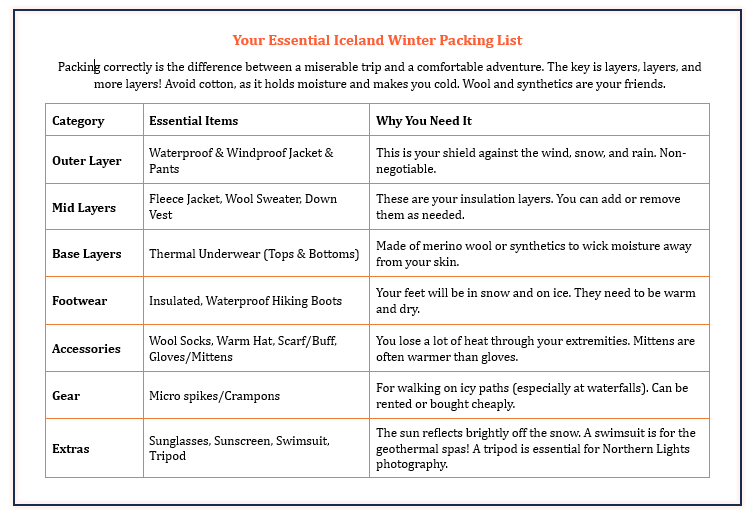
Weather & Driving: Let’s not sugarcoat it: it will be cold. Given the warm ocean current the southern part of Iceland is relatively less cold. Average temperatures in Reykjavík hover around -1°C, but with wind chill, it can feel much colder, especially as you travel further out. Its not the same in Northern Iceland, where the minimum temperatures go down to -15°C. However, Icelanders know how to manage these conditions. With central heating using ample geothermal resources, you will always be comfortable indoors and in the car. Refer our packing list section in this blog to make sure you are comfortable outdoors as well.
The weather is famously unpredictable; you can experience sunshine, a blizzard, and gale-force winds all in the same afternoon. This is why renting a 4×4 vehicle is not just a suggestion, it’s a necessity. The main Ring Road is usually well-maintained, but conditions can change in an instant. Always, and I mean always, check the official Icelandic road conditions website, road.is, before you set off each day. For weather forecasts and, crucially, the aurora forecast, the Icelandic Meteorological Office at vedur.is will be your best friend.
A Region-by-Region Winter Adventure
Iceland might look small on a map, but its diverse regions offer vastly different experiences, especially in winter. Trying to do everything is a recipe for a rushed, stressful trip. Here’s a breakdown of where to go and what to see.
1.The Gateway: Reykjavík & The Golden Circle
Most journeys begin in Reykjavík, and it’s a fantastic base. In winter, the world’s northernmost capital is incredibly cozy. Think cozy coffee shops, world-class restaurants, fascinating museums (the National Museum of Iceland is a great spot to warm up and learn some history), and a vibrant nightlife. Take a walk to see the iconic Hallgrímskirkja church piercing the winter sky or the striking Harpa Concert Hall by the old harbour.
From here, you’ll tackle the famous Golden Circle. This classic route is popular for a reason and is generally very accessible in February.
- Þingvellir (Thingvellir, Þ=Th
 ) National Park: A UNESCO World Heritage site where you can actually walk between the North American and Eurasian tectonic plates. In winter, the snow-dusted lava fields and frozen ravines look like something out of Game of Thrones.
- Gullfoss ‘the Golden Falls’: A truly awesome sight. In February, parts of this powerful, two-tiered waterfall are frozen over, with massive icicles clinging to the cliffs while the unfrozen water thunders into the canyon below.
- Geysir: While the great Geysir itself is mostly dormant, its neighbour, Strokkur, puts on a spectacular show, erupting a column of boiling water up to 30 meters (100 feet) into the frosty air every 5-10 minutes. The contrast of steam and snow is breathtaking.
2. The Star of the Show: The South Coast
If you only have time for one region outside of Reykjavík, make it the South Coast. This is where Iceland’s winter postcard moments truly come to life. The drive along this stretch of the Ring Road is an endless parade of epic scenery.
- Seljalandsfoss & Skógafoss: (Foss = Waterfall) Two of Iceland’s most famous waterfalls. Skógafoss is a colossal wall of water, often surrounded by a frozen mist. Seljalandsfoss is unique because you can walk behind it, but be warned: the path will be sheer ice in February. You must have microspikes for your boots to even attempt it safely.
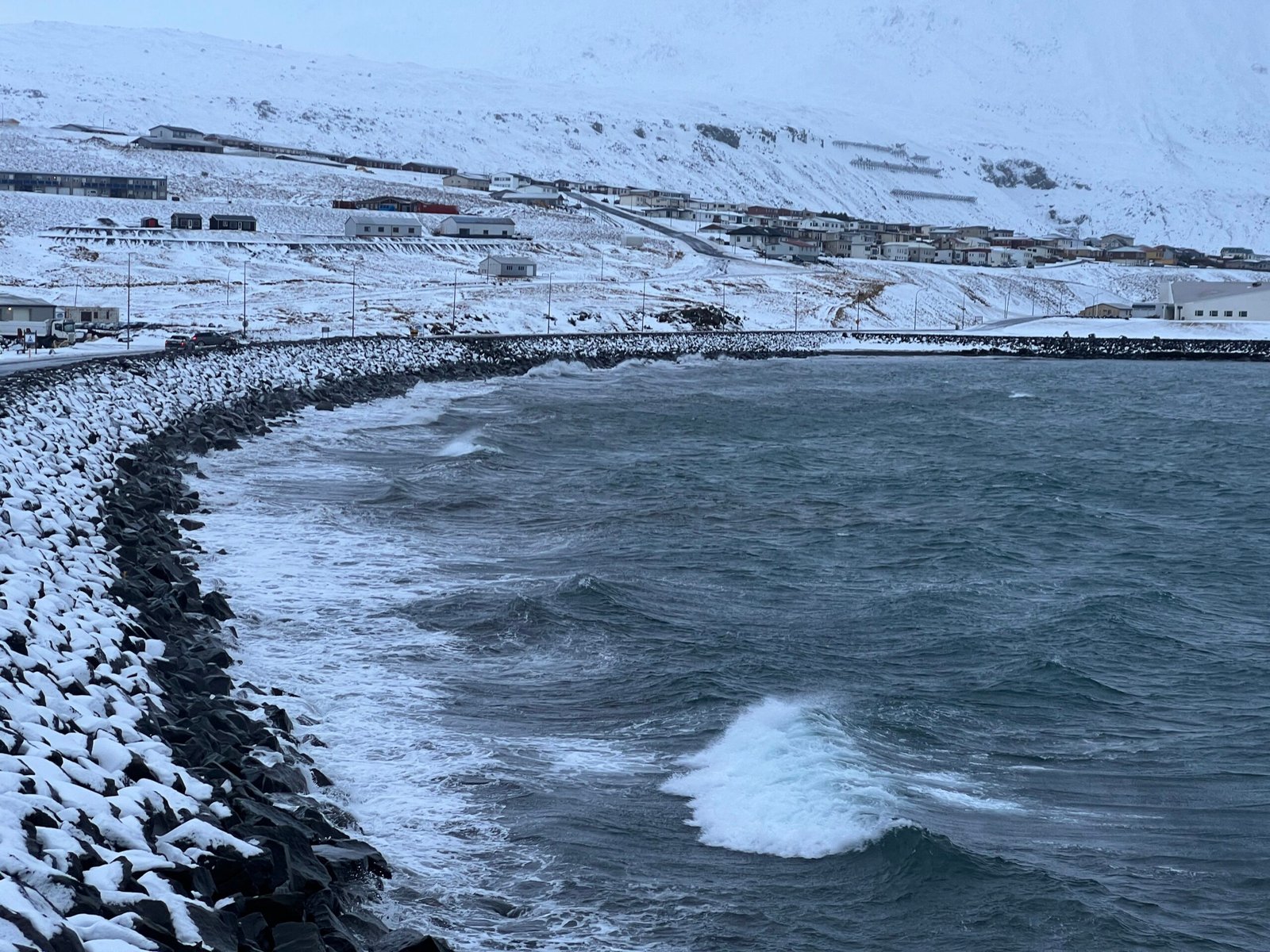
- Reynisfjara Black Sand Beach: Near the charming town of Vík, this beach is famous for its dramatic basalt columns, towering sea stacks, and powerful waves. A serious safety note: beware of the “sneaker waves.” They are unpredictable, have swept people out to sea, and are no joke. Never turn your back on the ocean here.
- Vatnajökull National Park: Home to Europe’s largest glacier (jökull), this is the hub for the two most iconic February activities:
- Ice Caving: This is the absolute highlight for many. From November to March, local guides lead tours into natural, “crystal” blue ice caves that form within the glaciers. Walking inside a shimmering, sapphire-blue tunnel of ancient ice is a core memory you will never forget. We must book a guided tour for this; it is extremely dangerous and impossible to do on your own.
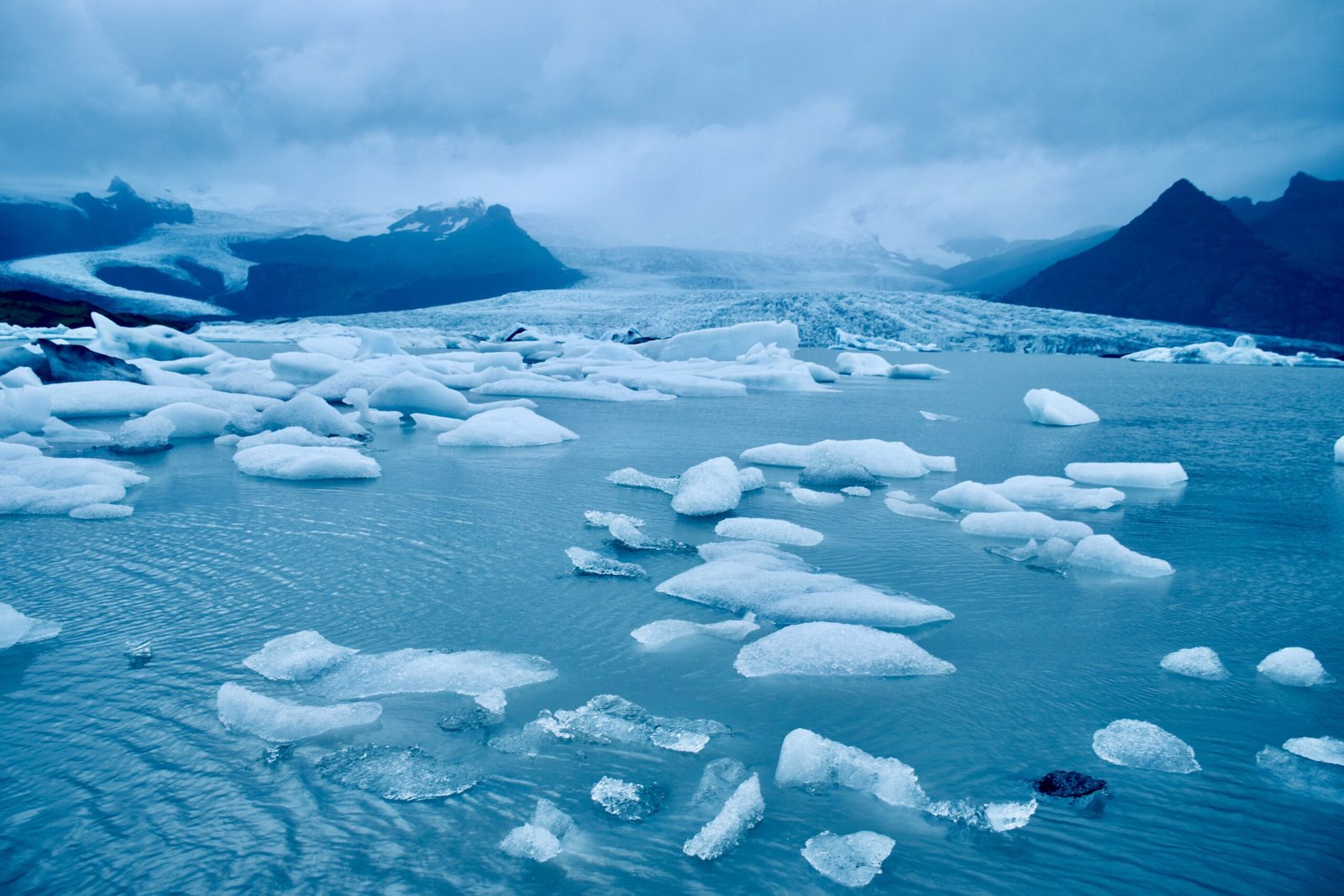
- Jökulsárlón Glacier Lagoon & Diamond Beach: Watch as huge icebergs, calved from the glacier, float serenely in the lagoon before drifting out to sea. Many then wash ashore onto the adjacent black sand beach, glittering like diamonds in the low winter sun. It’s pure magic.
3.The Wild West: Snæfellsnes Peninsula
Often called “Iceland in Miniature,” the Snæfellsnes Peninsula offers a taste of everything the country has to offer: dramatic coastlines, a towering glacier-capped volcano (Snæfellsjökull), and charming fishing villages.
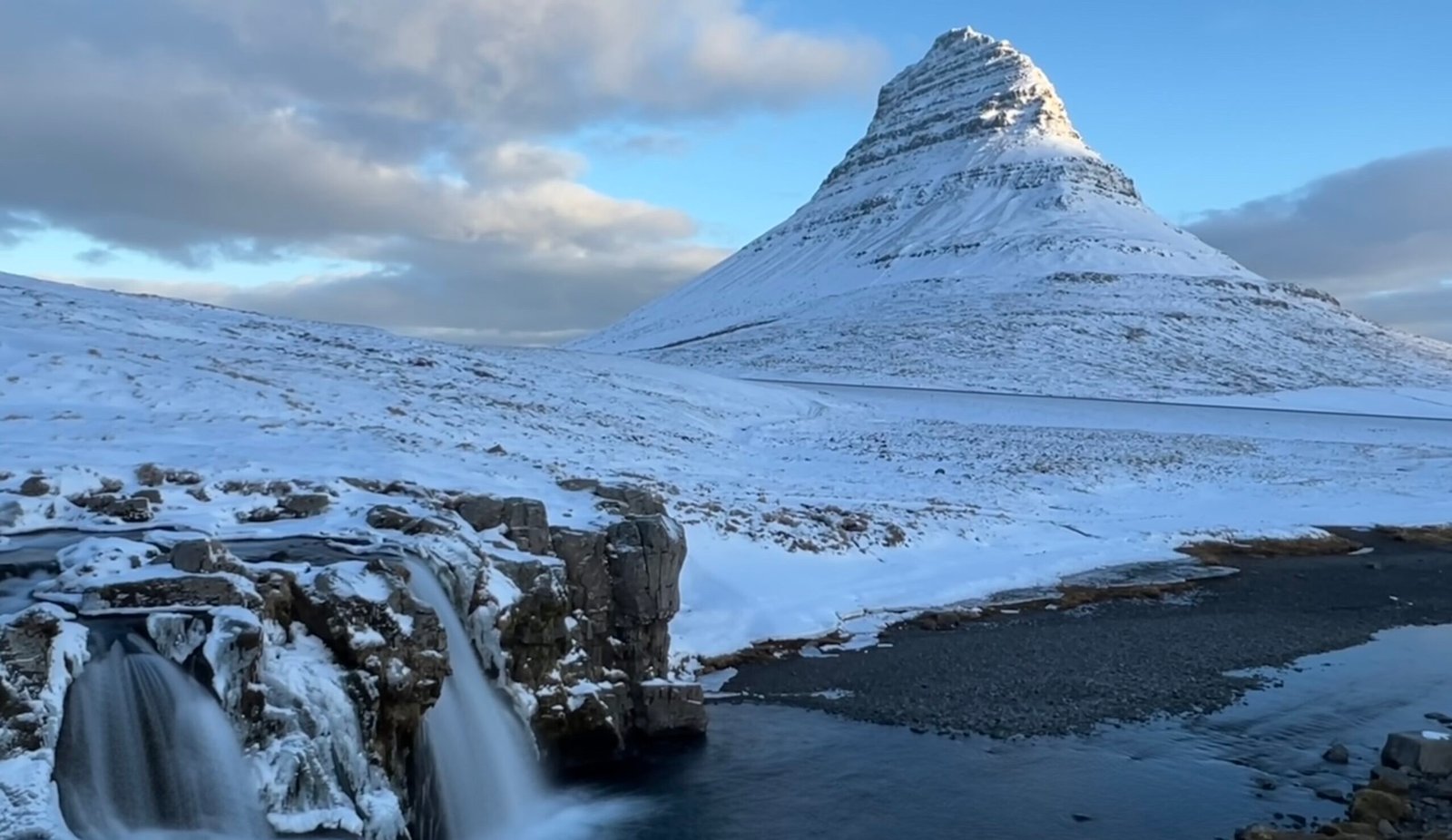
The most iconic landmark is Kirkjufell, or “Church Mountain,” one of the most photographed mountains in Iceland. Seeing it with a dusting of snow and the adjacent Kirkjufellsfoss waterfall partially frozen is a sight to behold. This region is generally accessible in February but requires careful planning and checking of road conditions, especially on the northern side of the peninsula.
4.The Untamed North
For the more adventurous traveller with more time, North Iceland is a winter wonderland. However, the weather here is more severe, and road closures are more frequent. While this is not recommended for a first-time winter visitor on a tight schedule, it is our absolutely favourite Icelandic region. The capital of the north, Akureyri, is a delightful small city. The area around Lake Mývatn is a geothermal hotspot with bubbling mud pots and surreal lava formations.
5.What to Skip
As for the Westfjords and the Eastfjords, it’s best to save them for a summer trip. These stunningly beautiful but remote regions have mountain passes that are often impassable in February. The interior Highlands are completely inaccessible to all but specialized super jeeps.